

Home>Gardening & Outdoor>The Ultimate Guide to Choosing the Perfect Deck Railing for Your Outdoor Space

Gardening & Outdoor
The Ultimate Guide to Choosing the Perfect Deck Railing for Your Outdoor Space
Modified: November 17, 2025
Choose the perfect deck railing for your outdoor space with our ultimate guide. Explore styles, materials, and tips for a stunning deck!
(Many of the links in this article redirect to a specific reviewed product. Your purchase of these products through affiliate links helps to generate commission for Storables.com, at no extra cost. Learn more)
Few home upgrades transform a property quite like a well-designed deck. More than just a platform of wood or composite planks, your deck is an extension of your living space — a place for gathering with friends, enjoying quiet mornings, or hosting evening cookouts. Yet while most homeowners focus on decking boards, the railing system is just as important. It frames the space, ensures safety, and sets the tone for your deck’s overall style.
In this guide, we’ll take a deep dive into the world of deck railings — from materials and design options to safety codes and maintenance. Whether you’re considering a brand-new installation or upgrading an existing setup, the right railing can elevate your outdoor living experience.
Why Deck Railings Matter
A railing is far more than a functional guardrail. Here’s why railings should never be an afterthought:
- Safety First – A properly installed railing provides crucial protection against falls, particularly for elevated decks. Families with children, pets, or elderly members benefit greatly from sturdy, code-compliant barriers.
- Aesthetic Framing – Railings serve as the finishing touch, framing the view and tying together architectural elements of the house and yard.
- Durability & Longevity – High-quality railing materials withstand harsh sun, rain, snow, and seasonal temperature swings.
- Resale Value – A well-built railing boosts curb appeal and contributes to overall property value.
Common Railing Materials: Pros & Cons
When selecting a railing, material choice is one of the biggest decisions you’ll make. Let’s explore the most popular options:
1. Wood
Classic and timeless, wood railings remain a favorite among homeowners who prefer natural aesthetics. They can be painted or stained to match your deck. However, wood requires regular maintenance, including sealing, sanding, and occasional replacement of rotted sections.
- Pros: Warm look, customizable finishes, affordable upfront cost.
- Cons: Prone to rot, splintering, insect damage, and fading. Labor-intensive maintenance.
2. Composite
Composite railings are made from a blend of wood fibers and plastics. They mimic the look of wood while resisting many of its downsides.
- Pros: Low maintenance, durable, available in many colors and textures.
- Cons: More expensive than wood; can fade slightly over time.
3. Vinyl (PVC)
Vinyl railings are lightweight, durable, and resistant to rot or pests. Many vinyl systems are modular, making installation easier for DIYers.
- Pros: Minimal upkeep, affordable, weather-resistant.
- Cons: Limited color choices (often white), can become brittle in extreme cold.
4. Aluminum
For a sleek, modern look, aluminum railings are a top choice. Powder-coated finishes protect against corrosion while keeping the look sharp.
- Pros: Lightweight, strong, corrosion-resistant, minimal maintenance.
- Cons: Higher upfront cost than vinyl or wood.
5. Cable Railing
Increasingly popular for contemporary homes, cable railing uses stainless steel wires instead of spindles or balusters. This allows for unobstructed views, especially around waterfront or scenic properties.
- Pros: Modern aesthetic, maximizes views, durable.
- Cons: Can be costly; requires tension adjustments.
6. Glass Panels
Glass railing systems provide the ultimate in visibility. Tempered glass panels between posts allow homeowners to enjoy panoramic views while maintaining safety.
- Pros: Stylish, unobstructed views, pairs well with modern architecture.
- Cons: Fingerprints and smudges require frequent cleaning; higher cost.
The Rise of Composite Railing Systems
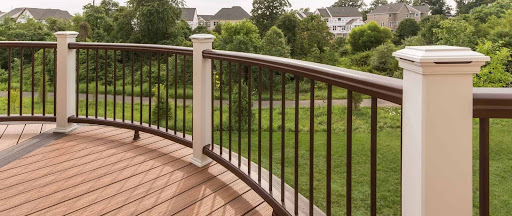
In recent years, composite and PVC railing systems have surged in popularity. They’re specifically designed to complement composite decking, and they offer durability that far outlasts wood. Among these, Trex stands out as an industry leader.
One of the most trusted options for homeowners is trex deck railing, which blends style, strength, and minimal maintenance. Available in a wide array of colors and configurations, Trex railing systems give homeowners design flexibility without the constant upkeep of traditional wood.
Read more: What Is a Loveseat: Your Ultimate Guide
Key Considerations When Choosing Deck Railings
- Building Codes & Safety Regulations
Most municipalities require deck railings for any structure above a certain height (often 30 inches). Common rules include maximum spacing between balusters (usually less than 4 inches) and minimum railing height (typically 36–42 inches). Always check local regulations before purchasing materials. - Maintenance Requirements
Be realistic about upkeep. If you don’t want to sand, stain, and reseal every few years, composites, vinyl, or aluminum will save time and long-term costs. - Climate & Environment
Coastal areas with salty air may corrode some metals; shady, damp yards accelerate wood rot. Choose materials that align with your environment.
Style & Design
Railings should complement your home’s architectural style. Traditional homes may look best with wood or composite balusters, while modern builds pair beautifully with cable or glass.
Budget
Costs vary widely. Wood remains cheapest upfront, while composite and aluminum represent long-term investments with reduced maintenance costs.
Design Inspirations
A railing can dramatically alter the look of your deck. Here are some design inspirations:
- Classic Charm: A white vinyl railing with colonial-style balusters for timeless appeal.
- Rustic Retreat: Stained cedar railings with wrought iron balusters evoke a cozy lodge feel.
- Modern Minimalism: Sleek aluminum frames paired with horizontal cable rails.
- Coastal Elegance: Glass panels framed in powder-coated aluminum maximize seaside views.
Installation Tips
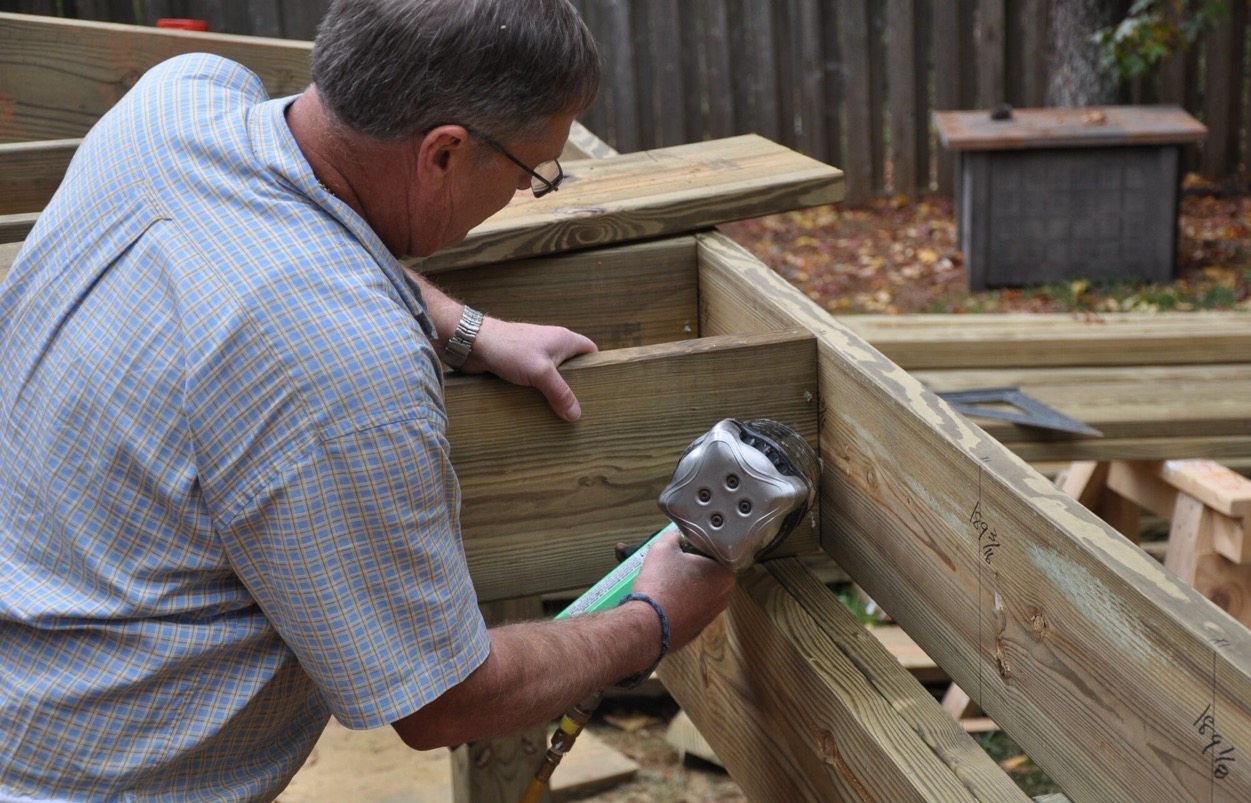
While many homeowners hire professionals, some railing systems are DIY-friendly. Here’s what to keep in mind:
- Measure Twice: Ensure all posts are evenly spaced and plumb.
- Use Quality Fasteners: Stainless steel or coated screws prevent rust and staining.
- Post Strength: Secure posts directly to joists for maximum stability.
- Follow Manufacturer Instructions: Especially for composite or modular systems.
Maintenance Best Practices
Even low-maintenance railings require occasional attention:
- Regular Cleaning: Wash with mild soap and water to remove dirt, pollen, and mildew.
- Annual Inspection: Check for loose fasteners, wobbly posts, or signs of wear.
- Seasonal Prep: In snowy climates, avoid using metal shovels on railings to prevent scratches.
Budgeting for Your Railing Project
Pricing depends on material, design complexity, and labor. Average ranges:
- Wood: $25–$60 per linear foot installed.
- Vinyl: $40–$70 per linear foot.
- Composite: $60–$120 per linear foot.
- Aluminum/Cable/Glass: $80–$150+ per linear foot.
Factor in not just upfront costs but also lifetime value — lower maintenance often offsets higher initial spending.
Sustainability and Eco-Friendly Options
Today’s homeowners increasingly seek eco-friendly choices. Composite systems like Trex incorporate recycled plastics and reclaimed wood fibers, diverting waste from landfills. This makes them a responsible option for sustainability-minded households.
The Future of Deck Railings
Innovation continues to reshape outdoor living. Expect to see:
- Smart Lighting Integration: LED rail lights controlled by phone apps.
- Hidden Fastener Systems: Sleeker looks with fewer visible screws.
- Mixed Materials: Wood-look composites with aluminum accents for contrast.
Conclusion: Framing Your Outdoor Lifestyle
Your deck railing is more than just a barrier — it’s a frame for your lifestyle. It protects loved ones, defines your space, and adds personality to your home. From classic wood to modern cable, from budget-friendly vinyl to premium composites, the choices are vast.
For homeowners seeking a balance of beauty, performance, and low maintenance, Trex railing systems remain a standout option worth exploring. With the right design and materials, your deck railing can transform an ordinary outdoor area into the centerpiece of your home.
Was this page helpful?
At Storables.com, we guarantee accurate and reliable information. Our content, validated by Expert Board Contributors, is crafted following stringent Editorial Policies. We're committed to providing you with well-researched, expert-backed insights for all your informational needs.







0 thoughts on “The Ultimate Guide to Choosing the Perfect Deck Railing for Your Outdoor Space”