

Home>Health & Lifestyle>Family & Pet-Friendly Home Design>The Rise of Pet-Conscious Home Design: 4 Ways It’s Changing Modern Homes
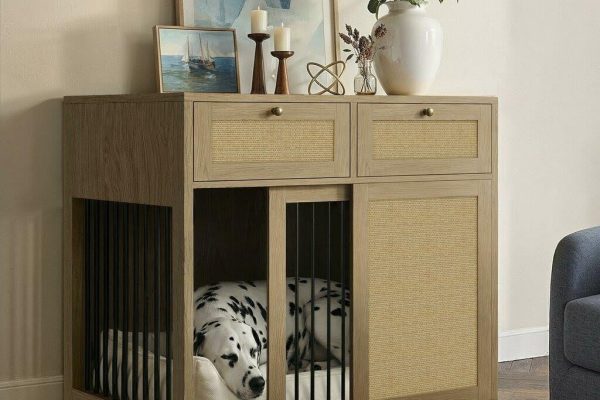
Family & Pet-Friendly Home Design
The Rise of Pet-Conscious Home Design: 4 Ways It’s Changing Modern Homes
Published: July 17, 2026
Discover how pet-conscious home design is transforming modern homes with stylish pet furniture, durable materials, and practical living spaces.
(Many of the links in this article redirect to a specific reviewed product. Your purchase of these products through affiliate links helps to generate commission for Storables.com, at no extra cost. Learn more)
For years, beautiful homes and pet-friendly homes often felt like two different things.
Interior design focused on clean lines, carefully styled furniture, and perfectly curated spaces. Meanwhile, pet essentials—wire crates, bulky beds, scratching posts, and feeding stations—were often treated as items to hide rather than incorporate into a home’s design.
But homes have changed.
Today, nearly seven in ten American households include at least one pet, and for many families, dogs and cats are no longer simply companions—they’re part of everyday life. They nap beneath coffee tables, greet us in the kitchen each morning, and curl up beside us at the end of the day.
As pets become a more natural part of the home, homeowners are beginning to expect something different from the products they buy. Instead of choosing between style and practicality, they’re looking for designs that consider both.
This shift is giving rise to what many designers are beginning to embrace as pet-conscious home design—a philosophy that doesn’t simply accommodate pets, but thoughtfully designs for the way people and animals live together.
Here are four ways this movement is reshaping modern homes.
1. Homes Are Being Designed Around Everyday Life
One of the biggest shifts in home design isn’t a new color palette or furniture style.
It’s a new way of thinking.
For years, many interiors were designed to look beautiful in photographs or perfectly styled showrooms. Today, homeowners are asking a different question:
Will this still look good after real life happens?
Real life means dogs racing through the hallway after a favorite toy. It means muddy paws after a rainy walk, cats claiming the sunniest corner of the living room, children playing on the floor, and family movie nights that don’t always end without a spilled drink.
Instead of designing around ideal situations, more homeowners are choosing products that embrace everyday living.
Durable materials, washable fabrics, multifunctional furniture, and practical layouts are no longer considered compromises—they’ve become part of good design.
Beautiful homes are no longer expected to remain untouched.
They’re expected to be lived in.
2. Pet Furniture Is Finally Becoming Part of Interior Design
Perhaps nowhere is this evolution more visible than in pet furniture.
Traditional dog crates have long been designed with function in mind, but rarely aesthetics. Many homeowners accept that a metal crate simply doesn’t belong beside carefully chosen furniture—it becomes something to hide whenever guests arrive.
That’s beginning to change.
Rather than treating pet products as separate accessories, designers are integrating them directly into the furniture itself.
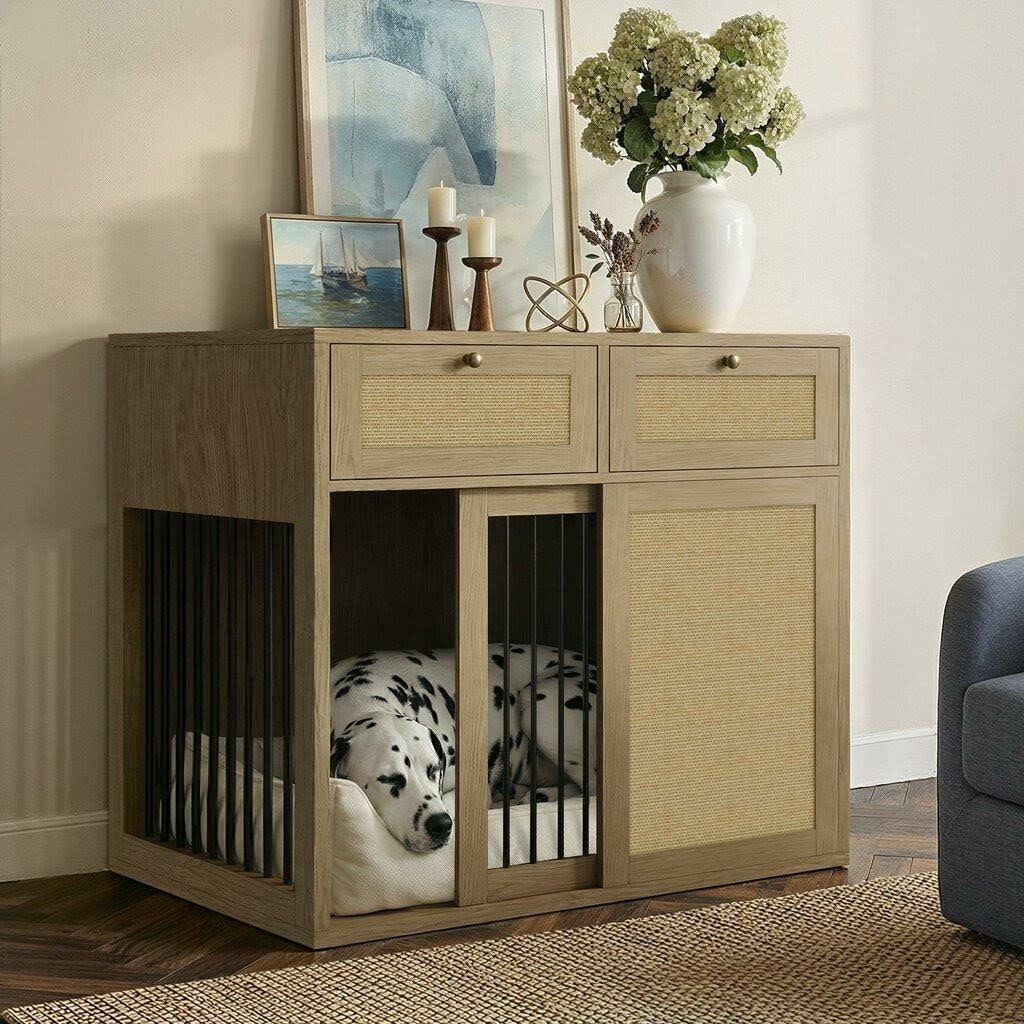
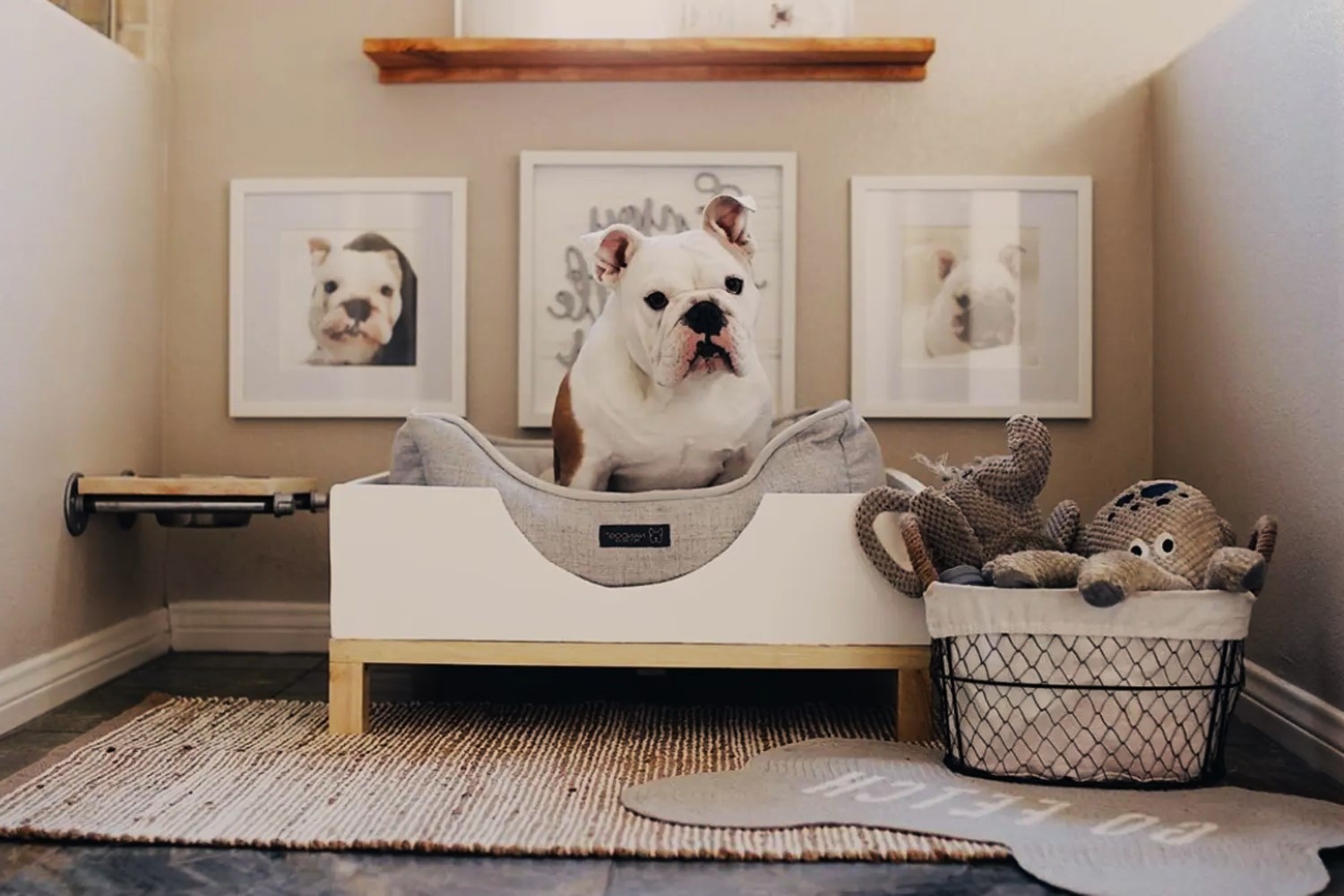
Furniture-style dog crates can now function as sideboards, console tables, or storage cabinets while still providing pets with a secure place to rest. Hidden feeding stations, cat-friendly coffee tables, and built-in pet spaces are becoming increasingly common as homeowners seek cleaner, more cohesive interiors.
One example is PureCozy’s Dog Crate Furniture, which combines a fully functional dog crate with storage and furniture-grade finishes, allowing it to blend naturally into living rooms and bedrooms instead of standing apart from them.
The goal isn’t to disguise pet products.
It’s to design them beautifully enough that they belong in the room from the very beginning.
3. Designers Are Paying More Attention to Pet Behavior
Another noticeable shift is happening behind the scenes.
Rather than simply adding pet-related features to existing products, designers are beginning to study how animals actually behave inside the home.
Dogs naturally seek spaces where they can rest while still observing their families. Many prefer enclosed areas that provide a sense of security without feeling isolated. Cats instinctively look for elevated viewpoints, quiet retreats, and comfortable places to nap throughout the day.
Understanding these behaviors often leads to better design decisions.
A slightly taller crate can give larger dogs more room to stand and stretch comfortably. Hidden locking systems create a cleaner furniture appearance while reducing exposed hardware. Improved ventilation, adjustable feet for uneven flooring, and thoughtfully placed openings all contribute to products that feel more natural for both pets and people.
In other words, today’s best pet-friendly products aren’t simply designed for pets.
They’re designed around the way pets actually live.
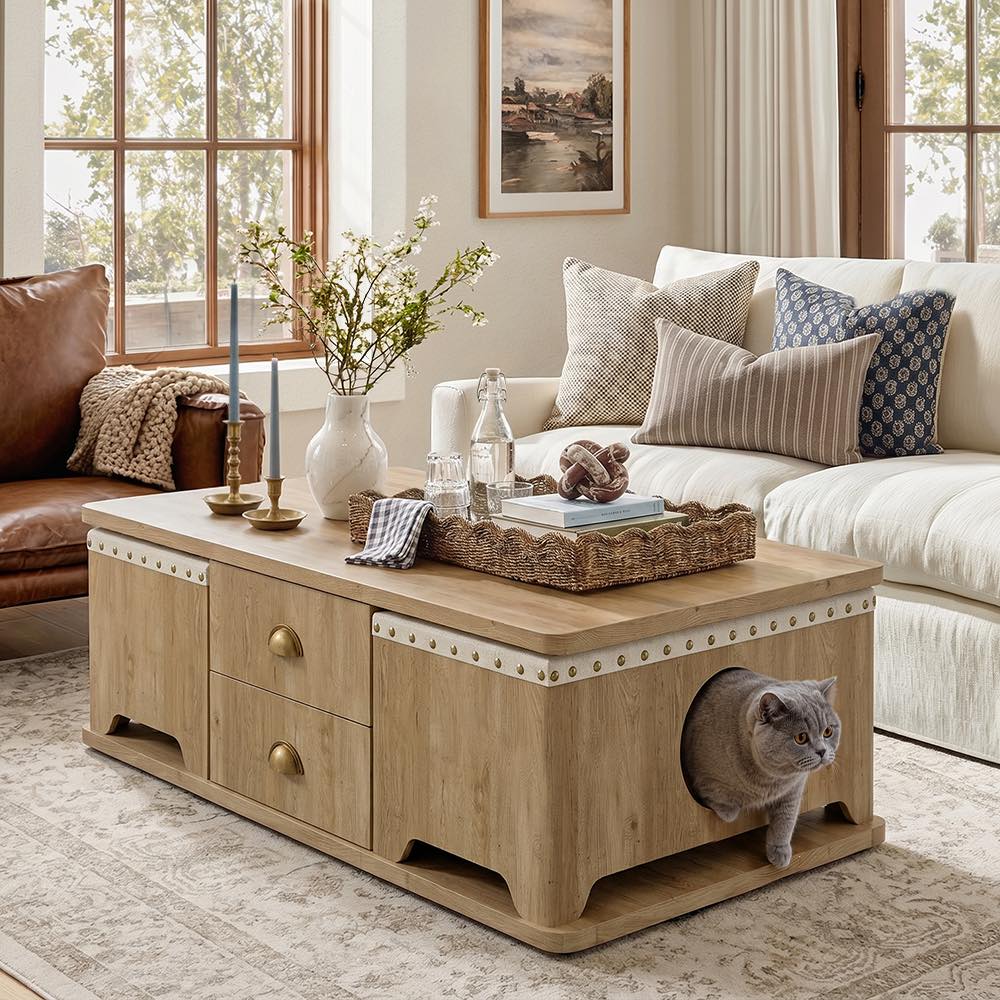
4. Easy Maintenance Is Becoming Part of Beautiful Design
The final shift may be the one homeowners appreciate most.
For years, practicality and aesthetics often competed with one another. A delicate rug might complete a room beautifully—but also create anxiety every time a pet walked across it with muddy paws.
Now, homeowners expect both.
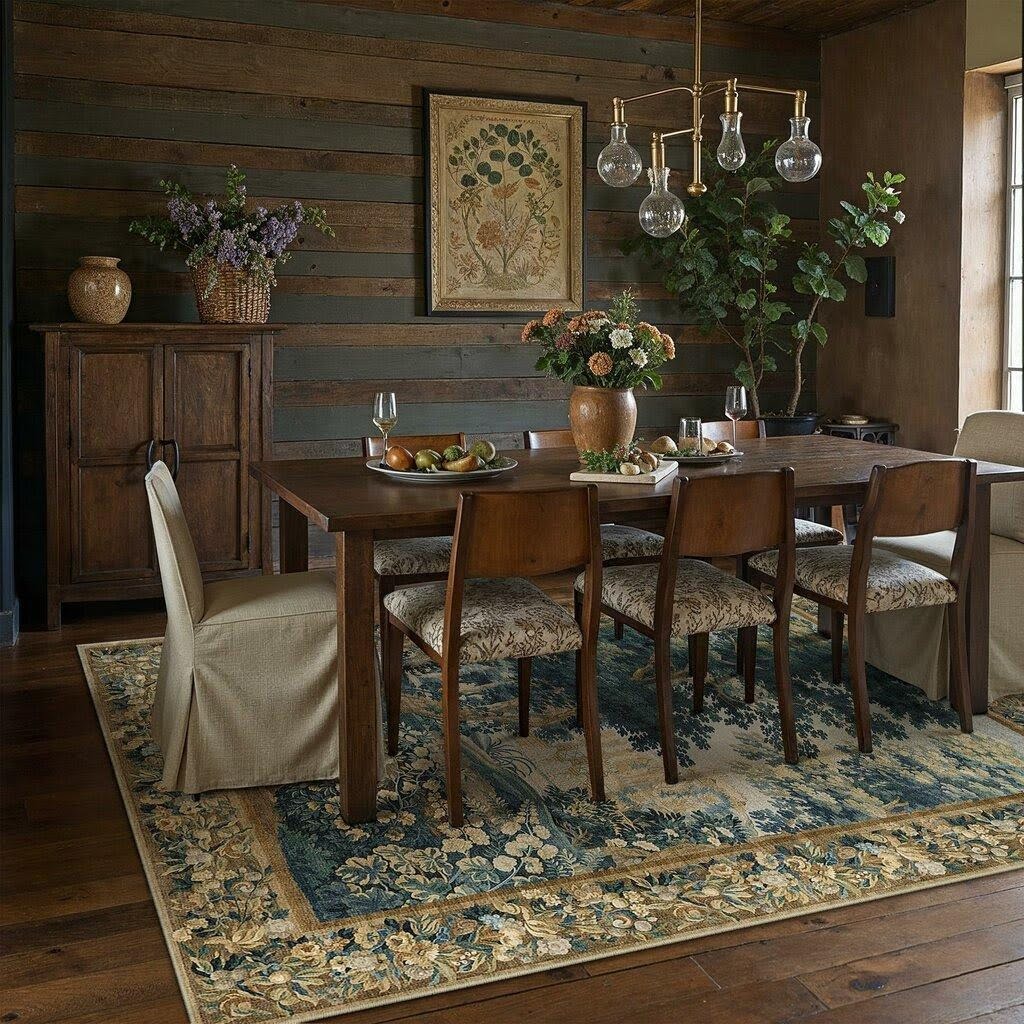
Machine-washable rugs, stain-resistant materials, and easy-clean finishes are becoming everyday design choices rather than specialty products.
The goal isn’t simply to prepare for accidents.
It’s to remove the stress that often comes with them.
Some brands are also exploring more adaptable designs. PureCozy’s DualSeason Rug™, for example, features two distinct surfaces and visual styles in one rug, allowing homeowners to refresh the atmosphere of a room simply by turning it over instead of replacing it entirely.
The innovation isn’t just about convenience.
It reflects a broader movement toward home products that evolve alongside changing lifestyles.
Pet-Conscious Design Isn’t a Trend—It’s the Future of Modern Living
As more families build homes that include children, pets, workspaces, and shared daily routines, the definition of good design is changing.
Homeowners no longer want products that look beautiful only under perfect conditions. They want products that continue to look beautiful after everyday life happens.
That’s why pet-conscious home design is becoming more than a niche category.
It’s influencing how furniture is built, how materials are selected, and how designers think about the relationship between function and aesthetics.
Because the best homes don’t ask families to choose between loving their pets and loving their space.
The best homes are designed for both.
Was this page helpful?
At Storables.com, we guarantee accurate and reliable information. Our content, validated by Expert Board Contributors, is crafted following stringent Editorial Policies. We're committed to providing you with well-researched, expert-backed insights for all your informational needs.

0 thoughts on “The Rise of Pet-Conscious Home Design: 4 Ways It’s Changing Modern Homes”